
Chapters
Performance Anxiety and Stress
Jenna Charlat, Greg Gately, Kate Edison, Araceli Alcaide, Charlie Donahue, and Mike Creutz
Introduction:
Performance anxiety is an increasingly relevant and influential phenomenon affecting not only athletes, but students, medics, and all types of individuals. Given the nature of performance anxiety impacting the performance of individuals in their endeavors, most often negatively, we looked to examine how performance anxiety is prevalent in various aerobic sports, social settings, personality types, and post-athletics experiences. Our chapter explores how intrinsic versus extrinsic motivators can either augment or diminish performance anxiety, similarly how our environments can either help or harm our performance anxiety based on factor such as greenery. Furthermore, we explore how the psychological and physiological aspects of ourselves are important to understand and dissect in order to promote our best performances through enforcing our feelings of competence and autonomy. Echoing the psychological understanding of ourselves, we examine how better determining our personalities can mitigate our management of performance anxiety through practices of mindfulness. Overall, it is important to note that performance anxiety is not limited to athletes, in fact surgeons have been on record for experiencing such a phenomenon and even having it negatively affect their mental wellbeing. That is to say that you are never alone in combating performance anxiety, and this chapter is an effort to illuminate the hardships some individuals face with it, athlete or not, and how we as a society can begin to combat it.
Performance Anxiety and Perfection in Sports
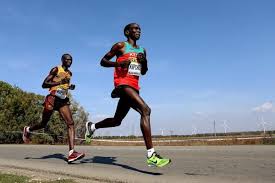
Mike Creutz
Performance anxiety is something that comes with the anxiety of competing. However, with the addition of strong social support, and performance and practice, athletes can lessen performance anxiety.
Study 1:
1. The relationship between competitive anxiety and athlete burnout in college athletes: the mediating roles of competence and autonomy
This study explored how competitive anxiety contributes to athlete burnout, focusing on the roles competence and autonomy can have on lessening stress. Competence here is defined as a feeling of confidence, and autonomy as a feeling of belonging. In this study, Somatic anxiety, which are physiological symptoms like increased heart rate and muscle tension, were positively correlated with athlete burnout. Disruption of concentration, or difficulty in focusing on a sport was positively correlated with feelings of burnout. A positive correlation is an increase of one variable leading to an increase in another. Worry, while not a direct correlation with burnout, did make sports less enjoyable for athletes. negatively impacted feelings of competence and autonomy while competing. This study underscores the importance of addressing anxiety to prevent burnout in athletes (Yang et al 2024).
This study also found that while the type of sport (individual vs. group) didn’t significantly affect social anxiety levels. In addition, longer durations of athlete participation were strongly linked to lower social anxiety in participants. Independent of sports, strong perceived social support also correlated with lower anxiety. This means that as levels of support increase, levels of anxiety decrease. The study suggests sports and supportive relationships act as protective factors, potentially reducing performance-related anxiety by building self-esteem, improving emotional regulation, and fostering a sense of connection. Overall, being an athlete, and doing any exercise is helpful in improving self image.
Study 2:
2. Social anxiety among young adults in Switzerland: a cross-sectional study on associations with sports and social support
This study examined the complex relationship between sports participation, social support, and social anxiety in young adults. Longer sports duration was associated with reduced social anxiety scores, no matter the type of sport or an athlete’s perceived social support network. The study found no significant differences in social anxiety scores among participants involved in individual sports, or group sports. This suggests that the duration of sports participation may be more influential than the type of sport in mitigating social anxiety. Additionally, participants who engaged in sports for longer durations reported lower social anxiety scores. This association remained significant even after adjusting for perceived social support and sociodemographic factors (Heller et al 2025).
Additionally, strong social support showed a negative association with social anxiety, showing both sports involvement and strong supportive social networks can mitigate symptoms of anxiety. A negative association means that as one variable decreases, so does the other one. Engaging in sports, regardless of the type, can help reduce social anxiety, which is often linked to performance anxiety in sports settings. These types of social supports can help mitigate the problems that can come with being a high performance athlete, showing the importance of a social group.
Study 3:
- The effects of aerobic exercise on goal-directed attention and inhibitory control in individuals with high trait anxiety: an EEG study
This study investigated how aerobic exercise interacts with cognitive functions in individuals with high levels of trait anxiety. Findings suggest that moderate-intensity cycling enhanced goal-directed attention and inhibitory control, as evidenced by increased EEG components associated with these cognitive processes. An EEG shows activity in the brain through the measurement of electrical currents. The findings suggest that aerobic exercise can improve perceived cognitive control in anxious individuals, potentially reducing anxiety-related impairments in attentional focus. This study examined how 30 minutes of moderate-intensity cycling helped increase feelings of control in individuals with high levels of anxiety. Using EEG (electroencephalography), researchers assessed goal-directed attention and inhibitory control before and after the exercise session. Inhibitory control is the ability to suppress naturally occurring urges The exercise group showed significantly more brainwave markers associated with top-down attentional control—compared to a reading group (He et al 2025). Top down attention is defined as attention payed to internal goals or expectations.
Overall, these studies highlight the multifaceted nature of anxiety in sports. The first study emphasizes the direct impact of competitive anxiety on burnout, mediated by feelings of competence and autonomy. The second study suggests that sports participation and social support can alleviate social anxiety, a common form of performance anxiety. The third study indicates that aerobic exercise can enhance cognitive control, potentially reducing anxiety-related impairments in attention. Together, these findings underscore the importance of addressing both psychological and physiological aspects of anxiety to improve athletic performance and well-being.
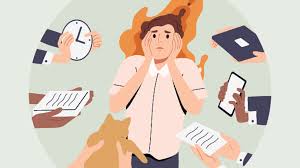
Performance anxiety within track and field: Can setting affect stress level?
Charlie Donahue
Performance anxiety is a huge factor that affects athletes in track and field, especially depending on their event, age, and even gender. Criticos et al. (2020) focused specifically on collegiate throwers and found that female athletes tended to experience higher levels of anxiety and lower feelings of competence compared to male throwers. Even though the anxiety was there, the study pointed out that having grit — mental toughness and perseverance — could help athletes push through and still perform well. Another article, “Analyzing the Interplay Between Competition State Anxiety, Motor Motivation, and Coping Styles Among Adolescent Track and Field Athletes” (2024), looked at younger track and field athletes and showed that high anxiety can seriously hurt motivation and performance if athletes don’t have good coping strategies. Athletes who used positive coping styles, like goal setting or talking to teammates, were better at staying motivated and handling stress. Finally, Ford et al. (2017) gave a bigger-picture view of sport-related anxiety in general, showing that it can mess with both the body (like causing muscle tightness) and the mind (like increasing fear of failure). They talked about different ways athletes can manage anxiety, like practicing relaxation techniques, using mental imagery, and even trying cognitive-behavioral therapy. Overall, all three articles show that performance anxiety is a real challenge for track and field athletes at all levels, but developing mental skills and resilience can make a big difference in how athletes compete under pressure. DeWolfe, Waliczek, and Zajicek (2011) examined how the amount of greenery and landscaping at collegiate track and field facilities influenced athletes’ anxiety levels and performance. They found that athletes who competed at venues with more natural landscaping—such as trees, grass, and gardens—reported significantly lower levels of anxiety compared to those who competed at sites with little to no greenery. Additionally, the athletes exposed to greener environments tended to perform better in their events. The study suggests that natural elements at athletic facilities may help reduce performance anxiety by creating a more calming and psychologically supportive atmosphere. These findings highlight the potential for simple environmental changes, like adding more plants and green spaces, to positively impact athletes’ mental well-being and competitive outcomes.


Performance Anxiety in Swimming
By: Jenna Charlat
Doing a sport can create performance anxiety within each individual. Though everybody is different, they still have experienced it before, during, or after an event. More specifically, swimming has had a high impact on athletes, both mentally and physically. Throughout many studies, there has been an impact on a swimmers anxiety level and their self confidence throughout their career. Why do some people experience more than others, while some always seem like they are calm? With such a mentally challenging sport, there comes a lot of baggage that is essential to acknowledge and take care of. There are many things within a swimmers life that can cause them anxiety, but still making them love the sport that they have been doing for many years. everybody experiences it, no matter the level they perform at, which is why it should always be essential to make sure you have different resources.
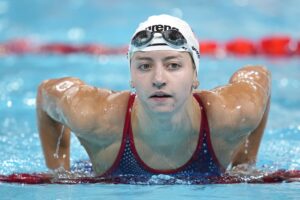
Image: Kate Douglas

Everybody has individual differences that can attribute to their anxiety levels and how they perceive their self confidence. Some people may be hiding their anxiety, as they want to intimidate their competition, and some pour out and tell everybody what they are feeling. The level that people experience can be based on their sex, how much experience they have, their stroke speciality, and how high they are ranked based on those around them (Silva et al., 2018). This is something that should be acknowledged throughout different swim programs, making sure everybody gets the help and resources they need to calm their anxiety and raise their self confidence.
While self confidence is a great factor to have during a sport, it can else benefit different emotions that a person might be feeling. While it was seen that throughout higher intensity weeks of swimming self confidence went down, it had also started to have an impact on their performance (Aouani et al., 2024). This leads to a domino effect within anxiety levels, and other societal pressures that the swimmer may have. These athletes experience parents, friends, as a constant pressure that can affect their self confidence and anxiety before, during, and after a meet or during practice (Silva et al., 2018). During the time period of hard practices, it is very common to see anxiety levels rise, as swimmers start to get more mentally and physically exhausted. It is important to have those practices, but it is also important to care of your body so you can swim for a longer time.
Image: Swim Swam Article

Our bodies need resources in order to make sure that we stay healthy within our sport. The heart rate variability within athletes can be disturbed when the body senses different types of anxiety when there is an association with swimming. A lot of the time it can be hard for a swimmer to admit they need help with their anxiety levels, but after they learn that it could negatively affect their performance, they could be more inclined to do psychological evaluations (Fortes et al,. 2017). Encouraging athletes that it is okay to get help and that it could improve their career can become a big inspiration in the swimming world.
Swimming is a challenging sport to navigate, as everybody is so different. Though there are many levels of anxiety and self confidence, it is important for the athlete to acknowledge it and potentially receive the navigations they need to further their love in swimming.
Performance Anxiety in Individual vs. Relay Swimming: A Comparative Analysis
By: Kate Edison
Performance anxiety is a significant psychological factor affecting competitive swimmers, but its manifestations and impacts differ notably between individual and relay events. Recent research sheds light on these differences, highlighting the complex interplay of social, motivational, and pacing factors.
In individual races, swimmers typically experience anxiety centered around personal performance and self-imposed expectations. According to McGibbon et al. (2020), individual events demand precise self-regulation of pacing strategies from past times, all without external input, which leads to heightened internal pressure. These athletes must rely solely on their training, mental resilience, and strategic planning, which can intensify performance anxiety, particularly at high-stakes competitions.
Conversely, relay events introduce a social dynamic that changes the nature of anxiety. Studies such as those by Braun, Fischer, and Hüffmeier (2022) and Torka et al. (2024) emphasize the role of social indispensability, how athletes feel their effort is crucial to the team’s success. This sense of responsibility can either alleviate individual anxiety, as athletes distribute emotional burden among teammates, or exacerbate it, as fear of letting others down increases psychological pressure. Interestingly, Braun et al. (2022) found that the weaker relay swimmers tended to show greater effort gains, regardless of their order in the relay itself, suggesting that being part of a team can motivate higher performance even among less confident athletes.
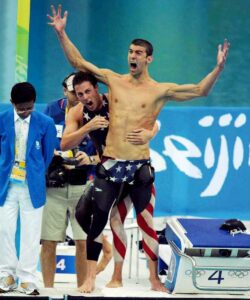
Image: Sports Illustrated
Williams et al. (1989) introduced the concept of “social loafing” in swimming, noting that when individual performance is less identifiable, such as that of a relay which focuses on the overall time instead of individual times, athletes might decrease their effort. However, clear accountability, where individual contributions are recognized,can mitigate this effect which leads to improved relay performance. This underscores the dual nature of social factors in relays; while they can foster motivation through indispensability, they can also introduce the risk of disengagement if individual accountability is low.

Image: Swimming World Magazine
Thus, performance anxiety in swimming is not uniform across event types. In individual races, anxiety stems from internal expectations and self-pacing demands. In relays, it arises from external social pressures, with team dynamics playing a critical role. Understanding these differences is crucial for coaches and sport psychologists aiming to tailor interventions that optimize athlete performance in different race formats.
Personality and Performance Anxiety
By: Araceli Alcaide
Study 1:
- Personality characteristics and competitive anxiety in individual and team athletes
This study examined the relationship between personality and competitive anxiety in 237 Thai collegiate athletes across different sports and genders. The research showed that the individual athletes experienced higher levels of competitive anxiety compared to those in team sports. Female athletes reported greater competitive anxiety and lower agreeableness than their male peers. Several personality traits showed significant similarities with competitive anxiety, such as neuroticism, extraversion, agreeableness, and conscientiousness. Neuoticism was found to have a negative effect and could predict competitive anxiety among all athletes. These findings suggest that understanding athletes’ personality traits can be valuable for developing interventions to manage competitive anxiety and promote well-being.

Study 2:
- From pressure to breaking point: exploring sport motivation, big five personality traits, and sport anxiety as antecedents of burnout in university athletes
This study investigated the connections between motivation, sports anxiety, personality traits, and athlete burnout in 200 university athletes using a cross-sectional design. The research found that different types of sport motivation, such as intrinsic, introjected, and amotivation, personality traits like neuroticism and conscientiousness, and sports anxiety were linked and predicted numerous factors of athlete burnout. Sports anxiety was shown to mediate the relationship between certain types of motivation and burnout. These findings show several factors that contribute to burnout in college athletes, which can help design strategies to address and prevent burnout. This study acknowledges the limitations, such as focusing on college athletes with academic responsibilities and not differentiating between individual and team sports. This research highlights the complicated relationship of psychological factors in athlete burnout.
Study 3:
- Who benefits more from mindfulness? A preliminary study exploring the moderate effect of personality traits on competition anxiety in athletes
This study investigated the impact of an 8-week mindfulness training program on athletes’ competition anxiety, considering the influence of personality traits. 50 athletes were randomly assigned to either a mindfulness training group or a control group, where their personality, mindfulness levels, and competition anxiety were assessed at three time points. The results showed that mindfulness training led to significant improvements in mindfulness, self-confidence, and reductions in cognitive and somatic state anxiety compared to the control group. These positive effects were maintained even at the 8-week follow-up assessment. Athletes with high anxiety and extraversion showed greater improvements in mindfulness and anxiety, while those with low neuroticism experienced more gains in self-confidence. The study suggests that mindfulness training effectively reduces competition anxiety in athletes, and personality traits can influence the extent of these improvements, which suggests the potential for personalized psychological interventions.

Research on athletes reveals complex connections between personality, anxiety, and well-being. The first study found that individual sports and female gender were associated with higher competitive anxiety, and that neuroticism could predict this anxiety. The second study connected various types of motivation and personality traits, like neuroticism and conscientiousness, to athlete burnout, with sport anxiety acting as a mediator. Finally, the last study on mindfulness training showed its effectiveness in reducing competition anxiety and improving self-confidence in athletes, with certain personality traits like high activity and extraversion improving these benefits. These findings highlight the significant role of personality and psychological factors in athletes’ experiences of anxiety and burnout, suggesting the potential for tailored interventions like mindfulness training to enhance their mental well-being and performance.
Performance Anxiety After Sport
By: Greg Gately
Performance anxiety (PA) is not exclusive to athletes, in fact it impacts many people in non-athletic professions on a regular basis. Especially when the profession involves high stakes and performing in high-pressure situations, like being a doctor, surgeon, or veterinarian. These medical professionals, just like athletes, have to perform under significant pressure, but only their setting happens to be a hospital or operating room, rather than a grass field or court. Recently, interest around how PA affects surgeons and doctors alike has increased drastically. Researchers have explored not only how it affects on their performance but also how it impacts their mental health and overall emotional well-being. So why is it that some doctors fail to succeed with intense anxiety while others thrive under pressure? It is a question worth asking because this is a field where life or death situations happen every day.

Image: Surgeon in Operating Room
The symptoms resulting from experienced PA vary from person to person. They include but are not limited to physical symptoms such as increased heart rate, sweaty palms, and impaired cognition. A cross-sectional study examining over 600 surgeons in the United Kingdom revealed that 87% of respondents experienced some form of performance anxiety. With an astounding 95% of surgeons saying that it negatively impacted their emotional well-being after the fact (Miller et al., 2022). It is also vital to note that the personality trait of perfectionism is linked to increased levels of PA, even though it is a desired and praised trait in the medical field. It is important to recognize that surgeons, who are trained to be precise and meticulous, can have those traits add to their anxiety when the pressure is on. However, is it important to note that some surgeons utilize their PA for their benefit. Meaning that PA is not entirely a bad thing. For example, some surgeons with PA reported that it fueled them to prepare thoroughly for a case.
The modern era of medicine, like sports or music, is a type of performance. Where the clinician is being watched, judged (by superiors and clients), and is expected to provide a service without mistakes. This is why recent researchers are starting to look into athletics and performing arts to derive psychological treatments for professionals, like surgeons. Physiologically, the feelings of PA for doctors and athletes are the same: increased heart rate, nausea, and the feeling of self-doubt. While cognitive symptoms include difficulty concentrating and entering a state of “fight or flight”. To combat this issue, experts have recently suggested that surgeons should develop their own “pre-game rituals”, in the way that athletes have a pre-game routine before important events. It is important to mention, however, that not all pre-game routines can be helpful, and there is a huge difference between adaptive and maladaptive routines. For example, adaptive routines, like deep breathing and mental imagery, focus on reducing stress. While routines that rely on superstition can make anxiety worse by coupling fear and preparation (Hutton et al., 2019).

Image: Surgeon Using Two Hands
Luckily, certain psychological intervention techniques that have worked for athletes are being explored for use in doctors too. A meta-analysis involving 20 studies found that techniques like relaxation training, cognitive restructuring, mindfulness, and virtual reality desensitization can lower anxiety levels during short-term states of stress (Niering et al., 2023). However, these techniques showed little effectiveness with those who experience prolonged bouts of anxiety. Regardless, this research made it clear that mental training can make a difference in any case by reshaping how anxiety is perceived. Utilization of these interventions could teach surgeons and doctors alike to manage their PA in order to provide better care for their patients.
In conclusion, PA and its treatments are not exclusive to sports or music, they are just talked about less in other professions. Doctors, musicians, and athletes are not so different as they all make mistakes. But the pressure it imposes can lead to mental and emotional problems. By learning from the realm and literature of sport psychology, medical professionals can start using these techniques to their advantage and feel more in control when it matters most.
Conclusion:
Throughout our lives we experience performance anxiety, whether that may be sport or work related. It is important to have because it means that you care about what you do. There are many aspects of our personalities that contribute to performance anxiety, which is why the care you get is unique to yourself. Though most people experience it, it is important to have a way of managing it throughout our careers. Anxiety can be the first step to a vicious cycle of being in that constant state and having lower self confidence that could conflict with the way we handle things. With having lower self confidence it can create a cycle with how athletes feel about their sport. Looking at a more in depth view, individual and team sports experience those different levels of anxiety as they have different varieties of societal pressures. This can create other psychological problems within the athlete or person, making it harder for them to perform the way they are supposed to, which leads back to their anxiety. This leads to the need of making sure we have the resources in order to ensure that we perform the way we are supposed to. People are not weak for seeking help, but rather on the right path to do what is needed for the activity that they love.
References
Analyzing the interplay between competition state anxiety, motor motivation, and coping styles among adolescent track and field athletes. (2024). Journal of Combinatorial Mathematics and Combinatorial Computing, 122, 263–273. https://doi.org/10.61091/jcmcc122-22
Aouani, H., Amara, S., Sahli, F., Barbosa, T. M., Souissi, N., & van den Tillaar, R. (2024). Effect of intensity training block on anxiety state and performance in competitive swimmers. PeerJ, 12, e17708. https://doi.org/10.7717/peerj.17708
Braun, C., Fischer, S., & Hüffmeier, J. (2022). Larger effort gains in weaker relay swimmers independent of their starting order. Psychology of Sport and Exercise, 62, 102235. https://doi.org/10.1016/j.psychsport.2022.102235
Conde, E. (n.d.). Analysis of pre-competitive anxiety of Brazilian young swimmers. Acta Scientiarum. Health Sciences.
Criticos, M., Layne, T., Simonton, K., & Irwin, C. (2020). Gender differences with anxiety, perceived competence, and grit in collegiate track and field throwers. Journal of Physical Education and Sport, 20(5), 2751–2759.
Ford, J. L., Ildefonso, K., Jones, M. L., & Arvinen-Barrow, M. (2017). Sport-related anxiety: Current insights. Open Access Journal of Sports Medicine, 8, 205–212. https://doi.org/10.2147/OAJSM.S125845
Fortes, L. S., da Costa, B. D. V., Paes, P. P., do Nascimento Júnior, J. R. A., Fiorese, L., & Ferreira, M. E. C. (2017). Influence of competitive-anxiety on heart rate variability in swimmers. Journal of Sports Science & Medicine, 16(4), 498–504.
Gan, Y., Wang, R., Wang, X., Li, J., & Fan, H. (2024). Who benefits more from mindfulness? A preliminary study exploring moderating effect of personality traits on competition anxiety in athletes. Sports Science and Coaching, 19(1), 390-400. https://journals.sagepub.com/doi/pdf/10.1177/17479541231159171
He, M., Guo, J., Yu, S., et al. (2025). The effects of aerobic exercise on goal-directed attention and inhibitory control in individuals with high trait anxiety: An EEG study. BMC Psychology, 13, 86. https://doi.org/10.1186/s40359-025-02376-x
Heller, I., Bolliger, C., Holmer, P., et al. (2025). Social anxiety among young adults in Switzerland: A cross-sectional study on associations with sports and social support. BMC Psychology, 13, 149. https://doi.org/10.1186/s40359-025-02495-5
Hotton, M. T., Miller, R., & Chan, J. K. K. (2019). Performance anxiety among surgeons. The Bulletin of the Royal College of Surgeons of England, 101(1), 20–26.
Kemarat, Supatcharin, et al. “Personality characteristics and competitive anxiety in individual and team athletes.” PLoS ONE, vol. 17, no. 1, 14 Jan. 2022, p. e0262486. Gale Academic OneFile, dx.doi.org/10.1371/journal.pone.0262486. Accessed 28 Apr. 2025.
Landis, A. (2024). Kate Douglass, who won gold Thursday, shown here after a preliminary heat in the women’s 200-meter breaststroke on Wednesday. Her victory boosted the American gold medal count to four. Retrieved 2025.
Lewis, M. (2016). Michael Phelps swimming.
McGibbon, K. E., Shephard, M. E., Osborne, M. A., Thompson, K. G., & Pyne, D. B. (2020). Pacing and performance in swimming: Differences between individual and relay events. International Journal of Sports Physiology and Performance, 15(8), 1–1066. https://doi.org/10.1123/ijspp.2019-0381
Miller, R., Hotton, M., Williamon, A., Kneebone, R., Goodacre, T., O’Leary, D., & Chan, J. K. (2022). Surgical performance anxiety and wellbeing among surgeons: A cross-sectional study in the United Kingdom. Annals of Surgery, 275(4), 632–639.
Niering, M., Monsberger, T., Seifert, J., & Muehlbauer, T. (2023). Effects of psychological interventions on performance anxiety in performing artists and athletes: A systematic review with meta-analysis. Behavioral Sciences, 13(11), 910.
Tahir, A., Arshad, T., & Akram, A. (2024). From Pressure to Breaking Point: Exploring Sport Motivation, Big Five Personality Traits, and Sport Anxiety as Antecedents of Burnout in University Athletes. International Journal of Emotional Education, 16(2), 105+. http://dx.doi.org/10.56300/YKKH2987
Torka, A., Hüffmeier, J., Fischer, S., & Braun, C. (2024). Social comparison, social indispensability, or both? On the psychological mechanisms underlying effort gains in swimming relays. Journal of Sport & Exercise Psychology, 46(6), 341–352. https://doi.org/10.1123/jsep.2024-0034
Williams, K. D., Nida, S. A., Baca, L. D., & Latane, B. (1989). Social loafing and swimming: Effects of identifiability on individual and relay performance of intercollegiate swimmers. Basic and Applied Social Psychology, 10(1), 73–81. https://doi.org/10.1207/s15324834basp1001_7
Yang, L., Zhang, Z., Zhang, J., et al. (2024). The relationship between competitive anxiety and athlete burnout in college athlete: The mediating roles of competence and autonomy. BMC Psychology, 12, 396. https://doi.org/10.1186/s40359-024-01888-2