
Chapters
Mental Health and Wellness
Una McCorry, Emily Baker, Amira Hakimi, Yulie Rozin, and Zola Alcaro

Mental health is central to an athlete’s well-being. Athletes face immense pressure, high expectations, and constant demands in order to achieve peak performance. Mental health is often put on the back burner and not recognized as an important part of an athlete’s identity, as physical health is often prioritized. The psychological well-being is critical to the success and health of an athlete. People often forget that physical health and mental health are intertwined. The unique stressors of athletes leave them vulnerable and can greatly impact their mood, motivation, behaviors, and focus. Mental health encompasses numerous factors such as stigma, player and coach relationship, socioeconomics, and team dynamics. Together, these dimensions of mental health impact an athlete’s resilience, mindset, and care for their sport and their own life. Recognizing and addressing mental health issues is of the utmost importance to better the well-being of athletes.
Mental Health Stigma
Una McCorry
There are two definitions that must be known: mental health and stigma. Mental health is defined by an individual’s emotional, psychological, and social well-being. It plays a large impact on how people feel and act as well as how people cope with stress and function in daily life. In regards to stigma, it signifies a mark of disgrace associated with a particular circumstance, quality, or person. Furthermore, stigma encompasses stereotypes and prejudice that negatively influence understanding and acceptance. Combined, mental health stigma embodies negative attitudes, beliefs, and actions targeted towards individuals who struggle with mental health conditions, and unfortunately is prominent in the athletic community. Stigma is the number one barrier to athletes reaching out for help and seeking mental health services. Not only outside factors such as coaches, teammates, or family are challenges, but the athlete themself can fear or look down upon mental health difficulties. For this reason, it is incredibly important for the athletic world and individuals in general to be aware of mental health stigma, and what can be done to address this issue.

Self and Public Stigma
The two most prominent forms of stigma are self and public stigma. Together, these two are the greatest barriers to help-seeking for athletes. As a result of fear and exclusion from those around them, individuals end up internalizing this and refusing help themselves. “…stigma might be particularly salient amongst collegiate athletes is the sociocultural aspect of sport, where masculine tenets associated with the sport environment often de-emphasize the need for seeking help and perceiving individuals who do so as weak” (Hillard et al., 2022, p.1476). Not only do athletes fear exclusion and appearing weak to their teammates, they worry about the disapproval from coaches, family, and others most important to them. “Stigma, attitudes, and intentions to seek mental health services in college student-athletes” by Robert Hillard et al. hypothesized that public and social network stigma are positively associated with self stigma and self stigma would be positively associated with intentions to seek help. The results highlighted the importance of recognizing stigma and attitudes towards help seeking. However, they also concluded that there are two key interventions that have been proven to reduce stigma: contact and education. Exposing individuals to others struggling with mental health disorders that have sought help could be inspiring and motivating for athletes that are scared or looked down upon counseling. Additionally, educating individuals of mental health disorders, symptoms, and normalizing these experiences could also change their perspectives and rid stigma. While it takes work to reduce stigma through contact and education, the end result will be worth it when athletes’ intentions to seek help increase.
The Role of Coaches in Stigma

“In the ranking of facilitators to help seeking, coaches outranked all other sources, including friends, family, and teammates” (Courtney et al., 2024, p.3). Coaches are a pivotal figure in an athlete’s life. Athletes want to earn the respect of their coaches, achieve playing time, and go above and beyond to be seen. However, when an athlete shows any signs of mental health struggles, some coaches are quick to disregard their player. “‘Suck it up, go play’: Mental health stigma in college coaches and their use of mental illness microaggressions” notes how the mindset of “sucking it up” suppresses both the physical and mental needs of athletes and leads to the increase of difficulties. Authors Kellie Courtney et al. expressed how athletes have to balance so much in their life, leaving them more vulnerable and susceptible to psychological distress, injury, and sickness. If coaches reduced their stigma, negative perceptions of seeking mental health services, and received an education or awareness of mental health issues, a lower endorsement of mental illness microaggression will be the result. Both athletes and coaches must learn of the balanced approach to mental toughness. Resilience and perseverance go hand in hand with help seeking, and coaches are the largest influence of this mindset for their athletes.
Limited Discussion
Not only is there a stigma around mental health in athletes, there is little to no discussion of the topic. One of the greatest fears of athletes who struggle with mental health disorders is ostracization, which is the intentional act of being excluded or left out by others, specifically their team. Retired athletes have shared their own experiences of struggling with mental health after reading a vignette on an athletes’ own encounter with mental health struggles. “The Social Effects of Mental Ill-Health Stigma in Sport” by Brennan Petersen et al. explained the themes that developed from interviews with the retired athletes: relational drawbacks to protect oneself from stigmatization and growth through stigmatized experiences. These themes show two different ends of the spectrum regarding mental health stigma. Some felt the need to keep anxieties to themself, stress around lack of acceptance, and difficulties maintaining or building relationships. On the other hand, other athletes found that talking was useful in managing anxiety, advocated for a need for mental health conversation, and found that bonding over mental ill-health was helpful. The results of these interviews revealed that interventions like social support, building of adaptive coping strategies, and addressing stigma would lead to fostering long-lasting relationships as well as better mental health. “Creating destigmatized environments can enable athlete help-seeking, fostering enhanced athlete well-being and improved athlete outcomes” (Petersen et al., 2024, p.225). Athletes need to be at their best physically and mentally to play, so an open, judgement-free environment where athletes can be their true self, no matter their mental health struggles, will produce nothing but the best results. Once conversation around mental health increases in athletes and their teams, stigma is more likely to become nonexistent.
Conclusion
Mental health stigma is not new to athletic communities of all levels. Age and level does not matter, as shame and disapproval is continuing to prevent athletes from understanding, acknowledging, and bettering their mental health. Education, destigmatization, and conversation surrounding mental health need to be at the forefront of prioritizing athletes’ well-being. This is all easily attainable if help-seeking and accessible mental health services are provided and advocated for. With time, but hopefully sooner rather than later, mental health stigma will begin to decrease as much time and effort will be put into changing the belief that student athletes are physically and mentally tough into vulnerable, yet strong athletes. However, stigma is not the only factor that is worsening mental health in athletes.
How the Player-Coach Relationship Impacts Mental Health and Performance
Zola Alcaro
In sports, success is often determined by wins and losses or individual stats of players, but what happens mentally is just as important. One of the most important influences on an athlete’s performance and mental health is their relationship with their coach. While game strategy and practice does matter, the emotional environment a coach creates can shape how players think, feel, and play. Research shows that the way coaches interact with athletes through things like encouragement, facial expressions, and overall relationship makes a difference on and off the field.
The Player-Coach Relationship
One of the most important dynamics in any sport is the connection between a coach and their players. Coaching is not just giving instructions and telling players what to do; instead, building trust, respect, and personal support is a huge part of player-coach relationships. Using the Leader–Member Exchange (LMX) theory, researchers have found that coaches don’t treat every athlete the same, and that’s not always a bad thing. The LMX model explains how coaches give different levels of relationships with each player, specific to how each player learns and plays best. The quality of this relationship has a huge impact on how motivated, confident, and mentally secure players feel.
When coaches build meaningful relationships with their players, the player performance is directly impacted. Players that feel seen, supported, and more motivated to give their best perform better. But when that connection is missing, athletes can feel undervalued, stressed, and less confident. While coaching skill and knowledge does play a role on how well the team performs, the emotional “tone” they set for the team is also very important. Interestingly, one study found that athletes in top leagues like the Turkish Super League reported stronger coach relationships than players in lower leagues. This may be due to more experienced coaches knowing how to support their players as people, not just athletes. That emotional connection is often what separates a good coach from a great one.
Facial Expressions Matter

Coaches may not always realize it, but the emotions they show can have a real impact on how their players feel and perform. A study was done to look at how different emotional expressions from coaches affected football players during a passing drill. When coaches showed pride or happiness, players not only felt better emotionally but also performed better on the task. On the other hand, when coaches expressed shame, players tended to make more mistakes and felt worse about themselves.
This proves the idea that players do not just hear what a coach says, they also feel it and are affected by it. A coach standing tall, smiling, and looking proud sends a different message than one slouching and looking disappointed. Even though the verbal message in the study was the same for everyone, players who saw their coach showing pride thought the feedback was more useful and supportive and they felt more confident in their own abilities. This proves how body language and facial expressions affect player coach relationships and performance, showing how much body language and facial expressions influence both player mindset and performance on the field.
Verbal Encouragement

https://foreverfitscience.com/exercise-science/gender-perceptions-of-coaches-and-athletes/
Recent research published in Frontiers in Psychology highlights how coach verbal encouragement (VE) significantly affects both the psychological and physiological responses of young basketball players. Athletes who received consistent, supportive feedback from their coaches during small-sided games reported greater enjoyment, higher exertion, and improved technical performance. These findings once again reinforce that the quality of coach communication is a motivational tool that affects how athletes feel, focus, and function under pressure creating a positive player coach relationship
The study also showed the emotional states of players using mood scales before and after the game. Players in the coach encouragement group showed higher levels of fatigue and exertion, which reflects greater effort given, but they also demonstrated increased enjoyment and engagement with the sport. This suggests that the presence of an encouraging coach can elevate both effort and satisfaction with playing. These psychological benefits express a healthier experience and could be especially important in fostering long-term mental resilience and motivation in youth athletes.
What this study ultimately confirms is that coaching is not solely about strategy and instruction it is also about support and leadership. Things like verbal encouragement, and positive reinforcement, creates a high-support environment that can influence player confidence and emotional stability. A trusting, and positive coach-athlete relationship contributes not just to performance, but to the psychological well-being of young players playing in very competitive environments.
Conclusion
Overall, coaching is not just about building better athletes in skill, it is about building stronger people mentally too. The small things coaches do every day can shape an athlete’s mindset building confidence through a stronger coach-player relationship.
The Burden of Socioeconomic Status and Its Effect on Student-Athletes
Yulie Rozin
“Up to 44% of student-athletes report experiencing mental health symptoms on a daily basis” (Charlie Health, 2024). On top of the many burdening factors that student-athletes daily, athletes are conditioned by the economic strains of financing their lifestyle. Socioeconomic status plays a significant role in shaping mental health outcomes, especially for children and adolescents engaged in sports. Financial strain can create barriers to participation in organized athletic activities, as families with limited income may struggle to afford sports equipment, training, or facility access. This stress can result in social exclusion, diminished self-esteem, and a heightened sense of inadequacy among youth who are unable to participate alongside their peers.

The Aftermath of Lower Socioeconomic Status on Children
A study done by Befus et al. in 2024 underscores the direct relationship between low socioeconomic status (SES) and diminished health-related quality of life in young children. Their research, which focuses on children between the ages of 5 and 7, reveals that those from lower-income families tend to report lower overall well-being and exhibit more frequent signs of psychological distress. These outcomes are linked not only to limited access to healthcare and nutritious food, but also to the chronic stress that financial instability places on both children and their caregivers. The study emphasizes that mental health challenges in early childhood—such as anxiety, depression, and behavioral issues—are more prevalent in lower SES groups. These early experiences of stress and emotional hardship can interfere with cognitive development, social skills, and academic performance, setting the stage for long-term disadvantages. By identifying this correlation, we can highlight the importance of early intervention and support systems that specifically address the mental health needs of children growing up in financially strained households.
Accessibility
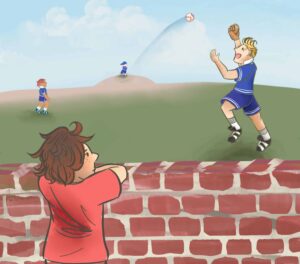
Beyond mental health, SES also influences broader behavioral patterns, including interactions with nature and physical activity levels, both of which are essential for holistic health. In 2023, Tiscareno-Osorno et al. explored how socioeconomic position and gender shape human-nature interactions, revealing that individuals from lower socioeconomic backgrounds often have reduced access to natural environments. This limited exposure can have cascading effects on mental health, as nature contact has been shown to alleviate stress and improve mood. The lack of accessible, green spaces for low-income families compounds the psychological strain already associated with financial insecurity, particularly when sports and outdoor play are key outlets for emotional regulation in children and teens.

The Manifestations in School
Furthermore, disparities in school sports facilities contribute to long-term health and social inequities. (Black et al., 2019) find that access to quality sports infrastructure during schooling years is tied to levels of physical activity and health outcomes in adulthood. Students from underfunded schools often lack opportunities for structured sports engagement, which not only affects their immediate mental and physical health but also diminishes the likelihood of maintaining an active lifestyle later in life. These findings collectively emphasize the need for policy interventions that address the unequal distribution of resources in youth sports and school athletics, highlighting how financial barriers rooted in socioeconomic status perpetuate cycles of disadvantage in both mental and physical well-being.
Conclusion
In conclusion, the mental health of Student-Athletes cannot be fully understood without considering the influence of the individual’s socioeconomic status. Financial barriers not only limit access to sports participation but also contribute to feelings of exclusion and psychological distress from an early age. These impacts extend beyond childhood, affecting long-term health behaviors overall mental well-being. Addressing these disparities requires awareness, it demands investments in equal sports opportunities, inclusive facilities, and supportive environments that prioritize both the physical and mental health of all student-athletes, regardless of their financial background.
Social Factors of Sports Teams and How These Can Affect Mental Health
Amira Hakimi
Sports teams are complex social environments where interpersonal relationships, group dynamics, and individual backgrounds intertwine to create unique psychological circumstances. The social atmosphere of a team can significantly contribute to an athlete’s inner psychological state, specifically their mental health. Team social dynamics can either influence an athlete’s mental health for the better, offering friendship and support, or they can have adverse effects, serving as a stressor or adding further pressure to the sport.

Social Factors and Association with Physical Activity
The journal article “The importance of social factors in the association between physical activity and depression in children” by Conley et. al discusses the connections between physical activity and mental health in youth. The study methods include an examination of the relationship between depressive symptoms and participation levels in different physical activities among youth. The researchers were able to conclude that physical activity is, in fact, associated with lower levels of depression in both children and adults. Furthermore, the article claims that social and team-oriented activities can be a protective factor against depression in childhood, as “youth who experience loneliness or peer rejection are at increased risk for depression in later adolescence and adulthood … [and additionally,] quality of friendships has been shown to predict youth behavior with positive relationships leading to favorable outcomes and negative relationships increasing risk for poor outcomes (Conley et. al, 2020, p. 2). This statement reveals how a child’s social environment, in particular connection to sports, can drastically affect their mental health not only in childhood but later in life. Further, the research aims to discover how to combat this issue. The authors discuss how valuable it is for children to be placed in both social and physical activities from a young age to create harmony between physical and mental health.
Coach and Team Captain Role
The individual relationships between coach and athlete are crucial to an athlete’s mental health. Additionally, a coach’s role in a team is significant in influencing the culture of a team and solidifying relationships between athletes. The article “Unraveling relationship dynamics in sports teams: A primer on the social relations model” (Loeys et. al) discusses the intricate nature of interpersonal behavior within sports teams. The research incorporates the Social Relations Model, a statistical method used in psychological research. In this case, the model is used to capture the multiple social levels of a sports team, such as the individual, relationship, and team levels. The authors investigate the role of coaches and team captains alike and how these psychologically impact the team as a whole. Coaches “may satisfy athlete’s basic psychological needs by (i) providing athletes with choices and involving them in decision-making processes, such as setting goals, selecting drills, or determining game strategies (autonomy), (ii) delivering constructive feedback that highlights strengths and areas for improvement (competence), and (iii) fostering a positive team environment that promotes trust, cohesion, and a sense of belonging (relatedness)” (Loeys et. al, 2025, p.1). Team captains are also responsible for meeting the needs of athletes, being attentive to their needs both on and off the field. They champion effective communication between the coach and the team and among teammates, relay feedback and expectations, and actively work to include all team members regardless of experience.
Individual versus Team Sports
“Team Sport Athletes May Be Less Likely To Suffer Anxiety or Depression than Individual Sport Athletes” by Pluhar et. al explores the benefits of organized sports and whether they differ based on the collaboration level of the sport. Exercise and mental health are strongly correlated, with higher levels of physical activity associated with decreased risk of mental illness. Further, Pluhar et. al assert that “individual and team sports seem to help mediate the presentation of psychological disorders and serve as effective treatment measures” (Pluhar et. al, 2019, p.490). The researchers aimed to seek a difference between individual versus team sport athletes, and while both contributed to higher self-esteem and better mental health, there remained some discrepancies. A greater proportion of individual sport athletes suffered from anxiety or depression than their team sport counterparts. However, playing an individual sport was not concluded to be a risk factor for mental illness. The differences lie in an athlete’s motivation to play a sport, as a high percentage of individual sport athletes reported playing their sport for goal-oriented reasons instead of for leisure. The authors state that “while team sports involve a community and network of players, individual sports focus more on one player’s singular track to success” (Pluhar et. al, 2019, p.494).
In conclusion, the researchers remark that continued investigation of children’s motivation for participating in team versus individual sports is critical, as this choice could explain why “team sports mediate psychological problems more effectively than individual sports” (Pluhar et. al, 2019, p.494). The opportunity for social activity that comes with team sports promotes healthy social development and stress relief. In contrast, individual sport training can lead to feelings of loneliness and intense internal pressure. Therefore, these findings serve as a reminder of the importance of recognizing the social factors of sports and how these impact athlete mental health.

Conclusion
This collection of research highlights the substantial connection between physical activity, social interaction, and mental health in athletes. While both individual and team sports offer mental health benefits, team sports are particularly powerful in promoting psychological well-being. The social aspects of sports, such as supportive coach-athlete relationships, energizing team dynamics, and meaningful friendships, all play a vital role in combating depression and anxiety and cultivating positive mental health outcomes. The research findings emphasize the impact of not only physical exercise on mental health, but also the value of social experiences within sports environments. Coaches, parents, and educators are all responsible for creating supportive and inclusive environments for participating in sports that nurture both physical fitness and socioemotional development, acknowledging that the benefits of sports extend far beyond the physical context.
Conclusion
A wide range of interconnected factors shapes mental health in athletes, each playing a critical role in their overall well-being. Stigma around help-seeking, particularly in sports cultures that correlate strength with silence, discourages athletes from addressing their mental health needs. The influence of coaches, whether supportive or dismissive, can either uplift or undermine an athlete’s mental state. Limited conversations around mental health further isolate struggling athletes, making it harder to foster understanding and community. Socioeconomic status adds yet another layer, where financial barriers and unequal access to resources can increase stress and reduce opportunities for support and participation. Social dynamics in teams can serve as systems of support for athletes and encourage positive mental health. Together, these elements encapsulate the complexity of mental health in athletic spaces and emphasize the importance of creating inclusive, empathetic, and proactive environments that prioritize both performance and psychological well-being.
References
Befus, E.-G., Mølland, E., Helseth, S., Westergren, T., Abildsnes, E., Hagen, M., Nolte, S., & Haraldstad, K. (2024). Health-related quality of life and its association with socioeconomic status and mental health in 5- to 7-year-old children: A cross-sectional study. Quality of Life Research: An International Journal of Quality of Life Aspects of Treatment, Care & Rehabilitation. https://doi.org/10.1007/s11136-024-03834-6
Black, N., Johnston, D. W., Propper, C., & Shields, M. A. (2019). The effect of school sports facilities on physical activity, health and socioeconomic status in adulthood. Social Science & Medicine, 220, 120–128. https://doi.org/10.1016/j.socscimed.2018.10.025
Caliskan, Gokhan. “An Examination of Coach and Player Relationships According to the Adapted LMX 7 Scale: A Validity and Reliability Study.” Measurement in Physical Education and Exercise Science, vol. 19, no. 1, 2015, pp. 22–33, https://doi.org/10.1080/1091367X.2014.977996.
Charlie Health Editorial Team. (2024, August 26). Beyond physical health: Data on athletes’ mental health. Charlie Health. https://www.charliehealth.com/research/athlete-mental-health
Conley, M. I., Hindley, I., Baskin-Sommers, A., Gee, D. G., Casey, B. J., & Rosenberg, M. D. (2020). The importance of social factors in the association between physical activity and depression in children. Child and Adolescent Psychiatry and Mental Health, 14(1). http://dx.doi.org/10.1186/s13034-020-00335-5
Courtney, K., Dial, B., & Yanos, P. T. (2024). “Suck it up, go play”: Mental health stigma in college coaches and their use of mental illness microaggressions. Journal of American College Health, 1–10. https://doi.org/10.1080/07448481.2024.2400101
Hilliard, R. C., Watson, J. C., & Zizzi, S. J. (2022). Stigma, attitudes, and intentions to seek mental health services in college student-athletes. Journal of American College Health, 70(5), 1476–1485. https://doi.org/10.1080/07448481.2020.1806851
Loeys, T., De Clerck, T., & Haerens, L. (2025). Unraveling Relationship Dynamics in sports teams: A Primer on the Social Relations Model. Psychology of Sport and Exercise, 76, 102752. https://doi.org/10.1016/j.psychsport.2024.102752
Moll, Tjerk, and Gemma Louise Davies. “The Effects of Coaches’ Emotional Expressions on Players’ Performance: Experimental Evidence in a Football Context.” Psychology of Sport and Exercise, vol. 54, 2021, pp. 101913-, https://doi.org/10.1016/j.psychsport.2021.101913.
Petersen, B., Schinke, R. J., Coholic, D., Larivière, M., & Giffin, C. E. (2024). The Social Effects of Mental Ill-Health Stigma in Sport. Sport, Exercise, and Performance Psychology, 13(3), 223–239. https://doi.org/10.1037/spy0000351
Pluhar, E., McCracken, C., Griffith, K. L., Christino, M. A., Sugimoto, D., & Meehan, W. P., III. (2019). Team Sport Athletes May Be Less Likely To Suffer Anxiety or Depression than Individual Sport Athletes. Journal of Sports Science and Medicine, 18(3), 490+. https://link.gale.com/apps/doc/A601220552/AONE?u=connc_main&sid=bookmark-AONE&xid=bd08fdd6
Ponce-Bordón, J. C., et al. “The Relationship between Running Distance and Coaches’ Perception of Team Performance in Professional Soccer Player during Multiple Seasons.” Scientific Reports, vol. 12, no. 1, 2022, pp. 1454–1454, https://doi.org/10.1038/s41598-022-05519-x.
Tiscareno-Osorno, X., Hossaini, J., Chabursky, S., Sayed, N., Temizarabaci, I., Hähl, W., & Beckmann, J. (2023). Does socioeconomic position and gender affect human-nature interactions? Journal of Public Health, 31(12), 2123–2130. https://doi.org/10.1007/s10389-022-01762-8
Yılmaz, Osman, et al. “Verbal Encouragement in Coaching: Enhancing Small-Sided Game Performance in Youth Basketball Players.” Frontiers in Psychology, vol. 16, 2025, pp. 1512803-, https://doi.org/10.3389/fpsyg.2025.1512803.