Chapters
Know Your Limits: Understanding to Overcoming Burnout
Caitlin Bird, Abby Fernald, Sophia Hauschildt, and Emma Steel
Introduction
Burnout is a psychological state that arises in response to prolonged and unmanaged stress, typically in environments that demand sustained emotional, cognitive, and/or physical effort. This was first conceptualized in occupational settings, but is now recognized as a widespread issue affecting all types of individuals, including students, caregivers, athletes, and professionals across multiple disciplines. Common symptoms include emotional exhaustion, a sense of detachment or cynicism, and reduced feelings of personal accomplishment. When this is left unaddressed, burnout can lead to serious consequences for mental and physical health, interpersonal relationships, and long-term productivity.
Athlete burnout presents serious risks not only to performance and career longevity but also to mental and physical health. Importantly, the underlying mechanisms and expressions of burnout in athletes appear to mirror those observed in other fields, suggesting that prevention and treatment approaches may benefit from a shared foundation. Interventions typically emphasize reducing stress, using positive self-talk, delaying age of specialization, enhancing recovery, and promoting supportive relationships—strategies that have shown relevance across disciplines. As interest in athlete well-being continues to grow, it is crucial to explore which approaches are most effective in mitigating burnout and how they might be adapted to the unique demands of sport.
Burnout & Psychosomatic Symptoms
By Abby Fernald
Recent research has built upon previous models of burnout in order to develop an updated, integrated model of athlete burnout that incorporates multiple dimensions (antecedents; entrapment; personality, coping and environment; early signs; burnout; maladaptive consequences). One such example of this is the “Integrated model of athlete burnout” developed by Gustafsson et al. (2011). Ultimately, this model suggests a connection between burnout and maladaptive consequences that are both physical and psychological.

Burnout and psychosomatic stress in athletes pose two major health concerns that can impact performance as well as goal setting (Daumiller et al., 2024). Research on these constructs and whether a relationship exists between them is critical to determine the signs of burnout, how to prevent burnout and psychosomatic stress, and what interventions are effective. Previous research has indicated that these overlapping adverse reactions should be studied as distinct constructs (Raedeke & Smith, 2004; Daumiller et al., 2024). However, more recent research has challenged the distinctness of these two constructs. Glandorf et al. 2023, as cited in Glandorf et al. 2024, explain that burnout can also be correlated with other mental and physical health effects. Further research may be necessary to refute the claim that burnout and psychosomatic stress are distinct, as current research poses the possibility that burnout and psychosomatic stress or negative physical health outcomes are associated (Glandorf et al., 2024).
Recent literature has established a growing connection between athlete burnout and symptoms of insomnia, which may represent a physical symptom of burnout. A study by Gerber et al., (2018) found that, “Athletes with clinically relevant burnout symptoms reported significantly more insomnia symptoms, more dysfunctional sleep-related cognitions, and spent less time in bed during weeknights (p<.05).” Given the importance of sleep for recovery, athletic performance, and general physical and mental-well being, these findings are extremely important. Future research should investigate the relationship between burnout, sleep disruption/insomnia, and injury risk in athletes in order to determine whether insomnia might mediate the relationship between burnout and injury risk.
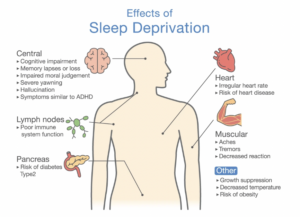
More recent studies have echoed the concern that arose from the Gerber et al., (2018) study. In one example, Glandorf et al. (2024) studied the relationship between burnout and physical symptoms, illness, depressive symptoms, sleep disruptions and life satisfaction and found associations between burnout and all of these health variables. Additionally, within-person results demonstrated that increases in devaluation (a key component of burnout) could be predicted by sleep disturbances (Glandorf et al., 2024). This finding suggests that sleep disturbances may be involved in a positive feedback loop in relation to burnout and contribute as both an antecedent and consequence of burnout.
Research in other occupational areas outside of elite athletics has identified physiological consequences of burnout, including an increase in risk of cardiovascular disease, decreases in immune function, and chronic inflammation (Melamed et al., 2006; as cited in Gustafsson et al., 2018). This relationship needs to be investigated in elite athletes whose occupation could be particularly affected by the presence of the physical impacts of burnout.
Based on the most recent literature it is difficult to conclude that psychosomatic stress and burnout occur as separate constructs, particularly given that a key dimension of burnout is considered to be physical and emotional exhaustion (Maslach et al., 1996; Raedeke & Smith, 2001; as cited in Daumiller et al., 2021). To further enhance the integrated model of athlete burnout, results of current research affirm a need for further investigation into the physical exhaustion element of burnout and its relationship to negative health outcomes, sleep disturbances, and injury.
Burnout: Influence of Self-Talk
By Emma Steel
Vast research has established associations between self-talk, performance, and other related variables, but a theoretical model of self-talk in sport that may be used to guide research has not yet been developed (Van Raalte et al., 2016). Self-talk can simply be defined as both what people say to themselves out loud and what they say inside their heads. Although, a multidimensional definition includes several components: “(a) verbalizations or statements addressed to the self; (b) multidimensional in nature; (c) having interpretive elements associated with the content of statements employed; (d) is somewhat dynamic; and (e) serving at least two functions; instructional and motivational, for the athlete” (Van Raalte et al., 2016). In terms of sports psychology, researchers have utilized a dual process theory lens to explore this topic and compared self-talk that is spontaneous, automatic, and undirected to self-talk that is goal directed and intentional. Self-talk allows for expression of emotions, impressions, biases, and also allows for self-regulation.
Within the dual-process model, system 1 represents the immediate and emotionally charged reaction to a situation, such as an athlete swearing at themself after making a mistake. On the other hand, system 2 represents the strategic use of self-talk whether that may be motivational, instructive, or distracting (Nedergaard et al., 2021). The sport-specific model of self-talk predicts that behavior also impacts self-talk through system 1 and 2. For example, “a poor tennis shot may lead to an immediate, emotionally charged reaction (System 1), a negative exclamation (e.g., “bad shot!”), which in turn can lead to a System 2-generated, instructional self-talk response (e.g., “hustle fast to short balls”) or to a less adaptive approach that results in losing subsequent games” (Van Raalte et al., 2016). Expressions of self-talk can have emotional content with a positive (e.g., pleasure, good mood), negative (e.g., anxiety, frustration) or neutral valence, which then impacts the performance of an athlete (Santos-Rosa et al., 2022).

Negative self-talk is something that many athletes deal with, especially when they are not performing to their best ability or feel as though they are letting their teammates/coaches down. “The occurrence of negative self-talk has been linked to an increase in anxiety levels and to different types of anxiety, such as fear of failure and sports anxiety when athletes made mistakes” (Santos-Rosa et al., 2022). Negative self-talk can significantly contribute to sports burnout by increasing an athlete’s stress levels, reducing their motivation, and lowering their confidence. In terms of the dual-process model, an athlete may have a negative immediate reaction (system 1), and rather than that leading to instructional self-response (system 2), it may cause their confidence to decrease and motivation to decline, which then leads to even worse future performance. Athletes struggling with negative self-talk may begin to feel as though they are not good enough, causing both mental and emotional exhaustion, escalating their symptoms of burnout.
In contrast, positive self-talk can help to avoid and reduce symptoms of burnout in athletes. A main cause of burnout among athletes is simply the lack of enjoyment and passion for their sport, which can be reignited with the implementation of positive self-talk. Oftentimes, athletes put too much pressure on themselves and constantly fear they are going to fail, which takes away from the actual fun of the sport, and they forget why they began in the first place. Positive self-talk and a shift in mindset can help to lower stress levels, strengthen resilience, boost confidence, and reignite that initial spark an athlete may have lost over time. “Research has shown that athletes with high motivational task orientations and moderate ego orientations tend to use positive self-talk more usually” (Santos-Rosa et al., 2022).
The contrast between positive and negative self-talk can be examined in a study conducted by Santos-Rosa et al., (2022). The focus of the study was to analyze whether positive and negative spontaneous self-talk predicted performance in rhythmic gymnastics. The sample for this study was collected in three stages: The first during the training week, and the second and third were conducted during a tournament. The correlation analyses yielded positive relations between positive sport self-talk and task-involving climate, positivity, positive situational self-talk, self-confidence, and performance in competition. It also revealed that negative sport self-talk was significantly and positively related to ego-involving climate, negative situational self-talk, somatic anxiety and cognitive anxiety, and negatively related to self-confidence (Santos-Rosa et al., 2022). It can be seen from these results that self-talk has a great influence on athletes’ mentalities, which in turn impacts their performance ability. Every athlete has goals for themselves, and when those goals are not met, those negative thoughts begin to take over and can escalate over time, giving rise to burnout.

It is clear that negative self-talk only leads to and exacerbates the symptoms of burnout, so one may begin to question how these symptoms can be alleviated or even prevented. If negative self-talk is an issue that begins to arise during every practice and/or game, it might be time to reassess what you are training for and what your goals are. Many athletes struggle because they set unrealistic goals for themselves and spiral into the negative when their expectations are not met. Sometimes it is necessary to just take a break when on the edge of burnout and then return with new, smaller goals in mind. Talking with a coach or therapist would also be beneficial during these times (Hurford, 2025). In summation, both negative and positive self-talk have an impact on the symptoms of burnout in antithetical ways, which either increases or decreases performance outcomes. Many athletes face burnout at some point in their athletic career, so understanding how self-talk plays a role in both the development and treatment of burnout symptoms is vital for maximum performance to be achieved.
Burnout and Specialization
By Caitlin Bird

Drawing of an athlete playing four different sports https://fr.vecteezy.com/art-vectoriel/5093329-vecteur-illustration-sport-le-plus-populaire
There has been a growing amount of research addressing the relationship between the age of specialization and burnout within athletics. The phrase “specialization” refers to high-intensity sport-specific training and/or competition that takes place for at least eight months of the year, for strictly one sport (Hösel et al., 2025). In recent years, the age of specialization in sports has been lowered due to a variety of factors, including the rise of club sports teams, inability to judge multiple schedules and outside pressure from coaches and parents. In addition to these factors, some athletes are forced to specialize in one sport due to chronic injuries from another or simply the self-desire to focus solely on one sport. However, the underlying issue is that early specialization has harmful consequences. All of the studies used the Athlete Burnout Questionnaire (ABQ) to quantitatively measure burnout. The ABQ “measures three dimensions of burnout (emotional/physical exhaustion, reduced sense of accomplishment, and sport devaluation) with five items each via a five-point Likert scale” (Giusti et al., 2022). This standardized questionnaire is helpful because it takes all factors of burnout into account and is uniform across the studies.
In general, specializing in a sport early on can lead to burnout and burnout-related symptoms. One study notes that athletes who have not specialized have less emotional/physical exhaustion when compared to their specialized counterparts. This means that those who did not specialize (played at least two sports or one sport for less than eight months of the year) experienced fewer negative exhaustion symptoms. Another study noted that “exhaustion burnout score and specialization in sports between the ages of 12 and 18 years old were positively correlating” (Dallman et al., 2024), expanding further on the previous point. Moreover, the study went on to describe that there was a significant main effect of the factor specialization for the emotional/physical exhaustion sub scale. This indicated significantly higher burnout scores for sport-specialized athletes compared to non-sport-specialized athletes (Hösel et al., 2025). All of this to say that non-specialised athletes experienced fewer negative exhaustion symptoms.
Although specializing in a sport at an early age can accelerate exposure and experience, there is a higher risk for burnout the younger someone is when they specialize. One study conducted by the American Orthopedic Society for Sports Medicine (AOSSM) found that youth who specialize in sports prior to the age of 12 are associated with greater burnout levels, decreased athletic development over time, along with higher dropout rates. This makes sense considering most children under 12 are still learning who they are and what their passions involve. However, this same research paper examined the differences between those who specialize before age 15 and those who do at age 16 or later, and the results are interesting. The study found that “athletes who reported specializing before age 15 did not report significantly higher levels of burnout than athletes who specialized at age 16 or older in reduced sense of accomplishment, exhaustion, or sport devaluation” (Giusti et al., 2022). This data makes sense considering that at 15 years old, typically someone is in high school and that is when most sports get more serious and require a larger commitment. Thus, at that time, the people have to be seriously dedicated and passionate to want to continue. The difference of just a few years (age 12 vs. age 15) is significant in regards to longevity in sports. It would be interesting to compare ages 13 vs. 14 to see if there is a significant difference within those ages.
A common myth about sport specialization is that it increases the likelihood of earning a scholarship or going professional. However, a study conducted on strictly division one NCAA athletes proved this to be false and showed that there is more harm related to burnout. It was first noted that specializing while in high school does not increase the likelihood of becoming a division one student-athlete. This provides positive encouragement to those who play multiple sports in high school that one can continue to pursue their multiple passions without having to sacrifice in pursuit of their future. Not only did this study show that outcome, but it also noted that athletes who specialize early “may have detrimental physical and psychosocial outcomes” (Giusti et al., 2022). In other words, it is still very possible and potentially beneficial to pursue multiple athletic passions at once while still reaching the top level of competitive collegiate sports. This variety has been shown to help decrease the likelihood of developing burnout.
In summary, specializing too early (more specifically before the age of 12) can result in burnout, which has detrimental effects. These effects are not only physical but also impact the quality of life outside of sport. It is advised to wait until at least 15 years of age to specialize (if not later) in order to maintain a positive amount of passion for the sport. It is also worth noting that in all of these studies, across all types of symptoms (physical, emotional, social), females tended to report higher levels of burnout, which would be interesting to look into the causes of that. Of course, there are preventative measures that can be taken to reduce burnout, but it is inevitable to avoid all altogether. Thus, the following section will outline some strategies for helping to cope with and treat burnout.
Burnout Treatment, Leadership, and Coping
By Sophia Hauschildt

What’s Wrong with Burnout?
While early sport specialisation poses significant risks for young athletes, leading to burnout and its associated physical and psychosocial consequences, it’s essential to recognise that burnout is not solely a product of early specialisation. Across all demanding environments, burnout is a growing concern, especially in athletics. In the case of athletes, burnout manifests as an interplay of psychological, physiological, and social factors, affecting athletes at various stages of their careers. Chronic stress in high-performance settings leads to mental and physical disruptions that undermine athletes’ performance, recovery, and overall engagement with their sport. The effects of burnout extend beyond just athletic performance, impacting an athlete’s long-term health and career sustainability.
Preventing burnout requires a multidisciplinary approach. Psychological interventions like mindfulness and resilience-building help manage stress, while physical recovery strategies address the body’s demands. Additionally, strong coach-athlete relationships, particularly through supportive leadership, are essential in reducing burnout. By integrating mental, physical, and social strategies, athletes can adopt a more balanced, sustainable approach to competition, helping protect their well-being and extend their careers in sports.
Mindfulness and Relaxation Techniques
Accessed @ https://www.youtube.com/watch?v=z_mGRRMB-xQ&ab_channel=PolicyResearchAssociates%2CInc.
Mindfulness-based practices have been found to significantly impact the mental well-being of athletes, especially when dealing with stress and burnout. Techniques such as yoga pranayama and progressive muscle relaxation (PMR) have been studied for their effectiveness in reducing burnout symptoms and improving recovery.

A study focusing on elite mountain bikers demonstrated that yoga pranayama practices led to a notable reduction in cortisol. It improved the testosterone cortisol ratio, which plays a role in recovery and overall well-being (Liang, Le, Yaling, Yuan, & Yu, 2023). As seen in Figure 1, PMR is a technique involving the systematic tensing and relaxing of different muscle groups, which helps to reduce stress and anxiety by promoting physical relaxation and lowering heart rate and blood pressure (Battaglini et al., 2022). These relaxation techniques, when incorporated into training regimens, can enhance athletes’ resilience to stress and burnout.
Coach-Athlete Relationship and Leadership
The relationship between athletes and their coaches is a pivotal aspect in mitigating burnout and fostering resilience. Transformational leadership, where coaches inspire, support, and challenge athletes, has been linked to positive outcomes in both individual and team resilience. Studies on elite football players have shown that transformational leadership behaviours not only enhance the quality of coach-athlete relationships but also contribute to greater team resilience. These relationships, built on mutual trust, support, and understanding, serve as a buffer against burnout by reducing emotional exhaustion and fostering a sense of accomplishment in athletes (Karayel, Adilogullari, & Senel, 2024). Research suggests that coaches who demonstrate empathy and maintain open communication can significantly reduce the risk of burnout and help athletes manage the psychological demands of their sport (Yu, Zhou, & Lv, 2024). Furthermore, understanding individual differences such as age, gender, and sport level can enhance coaching practice and better address athlete burnout (Davis et al., 2019). A study focusing on elite Norwegian swimmers also emphasised the importance of the emotional bond within the coach-athlete relationship, showing that mutual trust and understanding between athletes and coaches predict higher satisfaction, which in turn reduces burnout (Moen, Anstensen, Hrozanova, & Stiles, 2018).
Coping Strategies and Resilience
Coping strategies, influenced by an athlete’s level of resilience, play a central role in managing the stress inherent in competitive sports. In particular, resilience allows athletes to adapt positively to adversity and is directly linked to their ability to choose effective coping strategies. Research indicates that athletes who possess higher levels of resilience are more likely to employ task-oriented coping strategies, which help them manage stressful situations and improve performance (Secades et al., 2016). Therefore, resilience not only influences how athletes react to stress but also impacts their ability to use adaptive coping strategies that contribute to long-term success and mental well-being. Studies on coping mechanisms highlight that when athletes maintain positive stress mindsets, they are better equipped to face competitive pressures and prevent burnout (Ferreira et al., 2024). This aligns with findings that a supportive coach-athlete relationship, especially in younger athletes and males, can further reduce burnout risks (Davis et al., 2019). Additionally, coping strategies such as mindfulness have been shown to mitigate stress, improving performance and preventing burnout by increasing athletes’ awareness and focus (Furrer, Moen, & Firing, 2015).
Exercise: Task-Oriented Goal Setting (being SMART)
Objective: To employ task-oriented coping strategies by setting specific, measurable, achievable, relevant, and time-bound (SMART) goals.
Instructions:
1. Identify a Challenge: Select a specific aspect of your sport that you find challenging.
2. Set a SMART Goal: Formulate a SMART goal related to this challenge. For example, “Improve my sprint time by 0.5 seconds within the next four weeks by incorporating interval training.”
- S – Specific (If you’re struggling to narrow your goal down, think of the five W’s: Who, What, When, Where, Why)
- M – Measurable (Ask yourself, how do you know if you have reached your goal? Do you have an indicator of progress?)
- A – Achievable (Think about what capabilities and resources you have now: do you have everything that you need? Has anyone else done your goal successfully before?)
- R – Realistic (Is your goal within reach? Have you given yourself enough time/resources? Are you ready to commit?)
- T – Timely (When setting your goal, a deadline will help to provide you with a sense of urgency/motivation to achieve your goal)
3. Action Plan: Develop a detailed plan outlining the steps you will take to achieve this goal, including training sessions, rest periods, and progress evaluations.
Discussion: Setting and achieving task-oriented goals can enhance resilience by providing clear direction and a sense of accomplishment, thereby reducing stress and preventing burnout.
Source: A Simple Approach to Goal Setting. Accessed @ E-Force Sports
Perfectionism and Moral Injury

While resilience is essential for managing stress, psychological traits such as perfectionism can contribute significantly to burnout. In professions like physiotherapy, where precision is required, perfectionism can lead to moral injury and burnout. Studies have shown that perfectionism, combined with moral injury (see Figure 2) —the emotional toll of violating personal values—leads to higher levels of burnout (Biggs, Blackburn, Black, & Shanmugam, 2025). This finding is not exclusive to healthcare professionals but also applies to athletes, particularly those in high-performance environments where perfection is expected. Addressing perfectionism through psychological interventions, such as mindfulness training or cognitive behavioural techniques, can help reduce burnout by fostering healthier, more sustainable practices for athletes and professionals alike.
Psychological Adaptation and Stress Appraisal
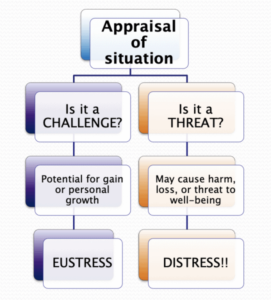
Understanding how athletes psychologically adapt to stress is crucial in managing burnout. Stress appraisal, referring to how athletes perceive and respond to environmental demands, significantly influences their coping mechanisms and overall mental health. A study on artistic swimmers during the qualification phase for the Tokyo 2020 Olympics revealed that athletes’ perceptions of stress and their coping strategies were deeply intertwined with their performance and burnout levels (Pété, Goisbault, Martinent, & Doron, 2023). Similar to Figure 3, athletes who viewed stress as an opportunity for growth—adopting a “stress-is-enhancing” mindset—were better able to cope with the demands of competition, which helped reduce burnout and enhance performance.
Key Takeaways
- Mindfulness Practices: Yoga and PMR effectively reduce stress, improve recovery, and prevent burnout.
- Transformational Leadership: Coaches who demonstrate empathy and support enhance resilience and reduce burnout.
- Resilience and Coping: Resilient athletes use adaptive coping strategies to handle stress and sustain performance.
- Managing Perfectionism: Psychological interventions like mindfulness can help prevent burnout caused by perfectionistic tendencies.
- Integrated Approach: Combining mindfulness, strong leadership, resilience, and managing perfectionism is key to preventing burnout and enhancing performance.
Preventing and managing athlete burnout is essential for ensuring both short-term performance and long-term well-being. By addressing burnout from multiple angles—mindfulness practices, leadership, resilience, and managing perfectionism—athletes can develop a more sustainable and healthy approach to competition. Mindfulness techniques like yoga and PMR help alleviate stress and improve recovery, while strong coach-athlete relationships and transformational leadership provide emotional support and resilience. Resilience, combined with adaptive coping strategies, enables athletes to better handle stress and sustain performance. Additionally, addressing perfectionism through psychological interventions promotes healthier mental approaches, reducing burnout. Together, these strategies create a well-rounded approach to athlete well-being, fostering not only performance but also a more balanced and sustainable career.
Conclusion
In conclusion, athlete burnout is a complex issue that impacts both physical and psychological well-being, influencing performance and recovery. As such, the connection between burnout and psychosomatic stress highlights the need for comprehensive prevention and treatment strategies. For example, positive self-talk helps improve motivation and resilience, while negative self-talk can exacerbate burnout. Additionally, considering sport specialization is critical; early specialization increases the risk of burnout, so delaying it until at least age 15 helps maintain a balanced relationship with the sport.
Moreover, mindfulness practices like yoga and PMR help reduce stress and aid recovery. Having strong coach-athlete relationships, grounded in transformational leadership, foster resilience and reduce emotional exhaustion. Resilient athletes are more likely to use effective coping strategies, while addressing perfectionism through psychological interventions can promote healthier mindsets and prevent burnout. Ultimately, a holistic approach to burnout—considering psychosomatic stress, self-talk, sport specialization, and key interventions—helps athletes enhance performance and well-being, leading to a healthier and more sustainable athletic career.
References
Battaglini, M. P., Pessôa Filho, D. M., Calais, S. L., Miyazaki, M. C. O. S., Neiva, C. M., Espada, M. C., Verardi, C. E. L. (2022). Analysis of progressive muscle relaxation on psychophysiological variables in basketball athletes. International Journal of Environmental Research and Public Health, 19(24), 17065. doi:10.3390/ijerph192417065
Biggs, D., Blackburn, L., Black, C., & Shanmugam, S. (2025). Physiotherapy under pressure: A cross-sectional study on the interplay between perfectionism, moral injury, and burnout. PloS One, 20(2), e0299173. doi:10.1371/journal.pone.0299173
Dallman, J., Goodrich, E., Giusti, N., Mar, D., Tarakemeh, A., Wolf, M., Randall, J., Klass, A., Vopat, B., & Vopat, L. (2024). The relationship of passion to sport specialization, injury, and burnout in NCAA Division 1 college athletes. Sports Psychiatry: Journal of Sports and Exercise Psychiatry, 10.1024/2674-0052/a000096
Daumiller (2021). Elite athletes’ achievement goals, burnout levels, psychosomatic stress symptoms, and coping strategies. International Journal of Sport and Exercise Psychology, 20(2), 416–435. https://doi.org/10.1080/1612197X.2021.1877326
Davis, L., Stenling, A., Gustafsson, H., Appleby, R., & Davis, P. (2019). Reducing the risk of athlete burnout: Psychosocial, sociocultural, and individual considerations for coaches. International Journal of Sports Science & Coaching, 14(4), 444–452. doi:10.1177/1747954119861076
Ferreira, R. W., de Athayde Costa e Silva, A., Brandão, M.,Regina Ferreira, Magno e Silva, M. P., Gaia, J. W. P., & Pires, D. A. (2024). Burnout syndrome and coping strategies in athletes with disabilities: A systematic review. Current Psychology (New Brunswick, N.J.), 43(12), 11023–11036. doi:10.1007/s12144-023-05186-9
Furrer, P., Moen, F., & Firing, K. (2015). How mindfulness training may mediate stress, performance and burnout. The Sport Journal, 18. Retrieved from https://link.gale.com/apps/doc/A676651089/AONE?u=connc_main&sid=bookmark-AONE&xid=35e59e02
Gerber, M., Best, S., Meerstetter, F., Isoard-Gautheur, S., Gustafsson, H., Bianchi, R., Madigan, D. J., Colledge, F., Ludyga, S., Holsboer-Trachsler, E., & Brand, S. (2018). Cross-Sectional and Longitudinal Associations Between Athlete Burnout, Insomnia, and Polysomnographic Indices in Young Elite Athletes. Journal of Sport and Exercise Psychology, 40(6), 312-324. Retrieved Apr 2, 2025, from https://doi.org/10.1123/jsep.2018-0083
Giusti, N., Carder, S., Wolf, M., Vopat, L., Baker, J., Tarakemeh, A., Bal, K., Randall, J., & Vopat, B. (2022). A Measure of Burnout in Current NCAA Student-Athletes. Kansas Journal of Medicine, 15(3), 325-330. https://doi.org/10.17161/kjm.vol15.17784
Glandorf, H. L., Madigan, D. J., Kavanagh, O., Mallinson-Howard, S. H., Donachie, T. C., Olsson, L. F., & Rumbold, J. L. (2024). Athlete burnout and mental and physical health: A three-wave longitudinal study of direct and reciprocal effects. Sport, Exercise, and Performance Psychology, 13(4), 412–431. https://doi.org/10.1037/spy0000355
Gustafsson, H., Kenttä, G., & Hassmén, P. (2011). Athlete burnout: An integrated model and future research directions. International Review of Sport and Exercise Psychology, 4(1), 3–24. https://doi.org/10.1080/1750984X.2010.541927
Gustafsson, Henrik & Madigan, Daniel & Lundkvist, Erik. (2018). Burnout in Athletes. 10.1007/978-3-662-49322-9_24.
Hösl, B., Oberdorfer, H., Niedermeier, M., & and Kopp, M. (2025). Sport specialization and burnout symptoms among adolescent athletes. International Journal of Adolescence and Youth, 30(1), 2460626. 10.1080/02673843.2025.2460626
Hurford, M. (2025, Mar 13). How Athletes Can Motivate With Healthy Self-Talk. Consummate Athlete.https://consummateathlete.com/how-athletes-can-motivate-with-healthy-self-talk/
Karayel, E., Adilogullari, I., & Senel, E. (2024). The role of transformational leadership in the associations between coach-athlete relationship and team resilience: A study on elite football players. BMC Psychology, 12(1), 514–10. doi:10.1186/s40359-024-02043-7
Liang, W., Le, L., Yaling, C., Hongbo, Y., Yu, Z., & Yunzhu, D. (2023). Can yoga pranayama practices improve burnout in elite mountain bikers: A single-arm pilot study. International Journal of Yoga, 16(1), 49–55. doi:10.4103/ijoy.ijoy_184_22
Maslach, C., Jackson, S. E., & Leiter, M. P. (1996). MBI: Maslach Burnout Inventory. CPP
Melamed, S., Shirom, A., Toker, S., Berliner, S., & Shapira, I. (2006). Burnout and risk of cardiovascular disease: Evidence, possible causal paths, and promising research directions. Psychological Bulletin, 132, 327–353.
Moen, F., Anstensen, R., Hrozanova, M., & Stiles, T. C. (2018). The working alliance and satisfaction with the CoachAthlete relationship among Norwegian elite swimmers. The Sport Journal, 21. Retrieved from https://link.gale.com/apps/doc/A676820122/AONE?u=connc_main&sid=bookmark-AONE&xid=9d7295d6
Nedergaard, J., Christensen, M. S., & Wallentin, M. (2021). Valence, form, and content of self-talk predict sport type and level of performance. Consciousness and Cognition, 89, 103102. 10.1016/j.concog.2021.103102
Pété, E., Goisbault, M., Martinent, G., & Doron, J. (2023). The winding road to the Tokyo Olympics: A dynamic approach to the relationships between stress appraisal, coping, performance, and burnout among an artistic swimming team. Sport, Exercise, and Performance Psychology, 12(3), 172–188. doi:10.1037/spy0000323
Raedeke, T. D., & Smith, A. L. (2001). Development and Preliminary Validation of an Athlete Burnout Measure. Journal of Sport and Exercise Psychology, 23(4), 281-306. Retrieved Apr 15, 2025, from https://doi.org/10.1123/jsep.23.4.281
Raedeke, T. D., & Smith, A. L. (2004). Coping Resources and Athlete Burnout: An Examination of Stress Mediated and Moderation Hypotheses. Journal of Sport and Exercise Psychology, 26(4), 525-541. Retrieved Apr 6, 2025, from https://doi.org/10.1123/jsep.26.4.525
Santos-Rosa, F. J., Montero-Carretero, C., Gómez-Landero, L. A., Torregrossa, M., & Cervelló. (2022). Positive and negative spontaneous self-talk and performance in gymnastics: The role of contextual, personal and situational factors. PloS one, 17(3), e0265809. https://doi.org/10.1371/journal.pone.0265809
Secades, X. G., Molinero, O., Salguero, A., Barquín, R. R., de la Vega, R., & Márquez, S. (2016). Relationship between resilience and coping strategies in competitive sport. Perceptual and Motor Skills, 122(1), 336–349. doi:10.1177/0031512516631056
“Sleep Deprivation: Aurora Health Care.” Sleep Deprivation | Aurora Health Care. Accessed May 7, 2025. http://www.aurorahealthcare.org/services/sleep-disorders/sleep-deprivation.
Van Raalte, J. L., Vincent, A., & Brewer, B. W. (2016). Self-talk: Review and sport-specific model. Psychology of Sport and Exercise, 22, 139–148.10.1016/j.psychsport.2015.08.004
Yang, L., Zhang, Z., Zhang, J., & Veloo, A. (2024). The relationship between competitive anxiety and athlete burnout in college athlete: The mediating roles of competence and autonomy. BMC Psychology, 12(1), 396–11. doi:10.1186/s40359-024-01888-2
Yu, W., Zhou, Y., & Lv, H. (2024). Coaches’ benevolent leadership and athlete burnout: Mediating effect of psychological safety. Social Behavior and Personality, 52(3), 1–8. doi:10.2224/sbp.13037