
Chapters
Sports Post-Injury Recovery
Katelyn Hardwick, Sadie Gearan, Margaret Sadak, and Katie Dolan
Post-Injury Impacts on Female Athletes
Introduction
Injuries are a part of athletics that almost seem inevitable, but the post-injury setbacks and journey that female athletes endure have many psychological and physical challenges. These can have detrimental effects on their overall well-being. Within differences in recovery between women’s and men’s sports, the emotional hurdles like facing anxiety in the return to play, the impact of injury goes much further beyond physical symptoms. Female athletes have also been prone to body image concerns due to changes in routine that can have altering effects on self-perception. In addition to those, self-esteem and confidence levels are affected due to the loss of relationships with the sport and an overall identity crisis. Understanding these interconnected effects is crucial to prepare more effective and preventative recovery strategies for female athletes.
Post Injury Recovery in Women’s vs. Men’s Sports and High vs. Low Impact Injuries
By: Katie Dolan
Recovery from sports can vary depending on the athlete’s biological sex and the severity of the injury. Research in sport and exercise psychology demonstrates that both the athlete’s sex and the type of injury they experience can make a big difference in how long recovery takes and what challenges athletes face along the way
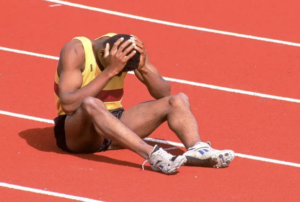
(Cleveland Clinic, n.d.)
Female athletes tend to have longer and more complicated recovery periods than male athletes. This is partly due to physical differences, like hormone levels and joint structure, but also because they’re more likely to deal with anxiety, fear of getting hurt again, and a drop in confidence during recovery (Gianakos, Abdelmoneim, Kerkhoffs, & Mulcahey, 2022). These mental health struggles can slow down the return to sport, which is why it’s important to design rehab programs that address both the physical and psychological side of things. In contrast, male athletes often experience different post-injury pressures. In some cases, they push themselves to return too soon, sometimes ignoring signs of fatigue or discomfort. One study found that after six days of intense strength training, male athletes were more likely to keep going, while female athletes showed more signs of fatigue and needed longer to recover (Christian, 2016). This suggests that men might need more guidance around pacing their recovery, while women might need more emotional support.
When talking about the psychological effects of injury, it’s important to note that athletes often experience anxiety, isolation, and depression during recovery (Athletes Connected, 2016).
Managing fear of re-injury is also a main challenge for athletes returning to their sport, and addressing this fear can help prevent hesitation and future injury (Evolve Health and Performance, 2021).
The severity of the injury also plays a big role. High-impact injuries like torn ligaments or broken bones usually take longer to heal and often involve surgery and long-term rehab. These injuries can lead to a lot of stress, physically, emotionally, and socially, because they often mean missing out on training, games, and team connection (Bestwick-Stevenson et al., 2022). On the other hand, low-impact injuries like overuse or minor sprains might not seem like a big deal at first, but they can become serious if they’re ignored. In women’s sports especially, these kinds of injuries sometimes don’t get enough attention, which can lead to chronic problems (Gianakos et al., 2022).
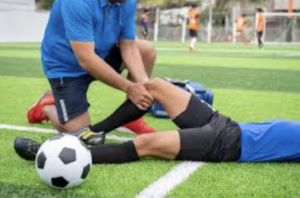
(Action Sport Physio, n.d.)
Overall, injury recovery depends on more than just what part of the body is hurt. It’s also about how the athlete responds mentally and emotionally, what kind of support they get, and whether rehab is tailored to their specific needs. Female athletes recovering from high-impact injuries may benefit from more individualized support, and male athletes may need help slowing down and taking the time to fully heal. Paying attention to these differences can help athletes return to their sport safely and confidently.
Anxiety Symptoms Upon Return from Athletic Injuries and Methods to Prevent Them
By: Katelyn Hardwick
Injuries occur among student athletes constantly. Similarly, student athletes often face several mental health difficulties due to the high-pressure environment they frequently find themselves in. However, the relationship between these injuries and mental health issues should be reviewed, as injuries can cause symptoms of anxiety and depression.
Approximately 90% of college student-athletes have faced at least one injury during their career. These injuries have been proven to result in many mental health conditions, such as depression, anxiety, substance use disorders, and eating disorders, and athletes who are injured have reported significantly higher percentages of these symptoms than athletes who are not. Social and peer support, however, can be a major protective factor for injured athletes to help prevent them from obtaining any of these negative mental health symptoms. One reason for this is that having a positive support system often acts as a “buffer” to the stress that injured athletes take on, which significantly enhances their overall well-being since they do not face the effects of this stress as much as others. Additionally, social support is a great coping strategy for injured athletes, as spending time with peers can be a great way to distract the brain from any emotions or frustrations that come with the injury. In this study, collegiate student-athletes with injuries were surveyed on the strength of their social support and the quality of the relationships around them, and different mental health symptoms. It was found that those who reported being more satisfied with their support systems were associated with lower levels of both depression and anxiety (Sullivan 2022). This tells us that a strong social support network can significantly help athletes who are suffering from injuries avoid negative mental health symptoms that are commonly associated with physical injuries from sports.
(Inc 2018)
Adern and others conducted a study in which they developed a psychological intervention called “Back in the Game,” designed for athletes recovering from ACL reconstruction surgery. After the completion of the study, they discovered a few things. First, athletes tend to have a lot of their identity and self-worth revolved around their athletic participation, and playing sports contributes to much of their happiness. So, after the surgery, they often questioned their identity, and their levels of happiness were significantly lower. Additionally, athletes in recovery had much higher anxiety than they did before surgery and much lower levels of self-confidence. Because of this, they often avoided certain tasks or activities that they commonly did and enjoyed before the surgery. However, when athletes received this psychological skills training that came with the intervention, many of the negative symptoms experienced were significantly reduced (Adern 2022). Another study researched the different types of psychological skills and their effectiveness in injury recovery in athletes. It was found that skills like imagery and relaxation were the most effective for reducing anxiety when returning to play (Schwab 2012). So, going forward, to best support injured athletes going through recovery, pairing a psychological skills training plan that includes meditation techniques and teaching imagery with physical rehabilitation is an effective method to maintain positive mental health symptoms and help athletes get back to playing their sport more smoothly.
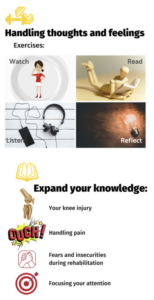
(Ardern 2022)
In another study done by researchers, runners who had suffered lower body injuries were studied, and the level of their anxiety during recovery, as well as their mood states, were examined and compared to runners who were not suffering from injuries. It was found that runners who were injured and withdrawn from the sport suffered with significantly higher levels of anxiety and stress, reported a more negative mood, and had higher depression ratings than runners who were not. Because of this, injured runners faced psychological difficulty returning to running as well as completing everyday activities like going to work (Masden 2022). This study tells us that injuries impact athletes not only physically, but mentally as well, in terms of increasing several mental health symptoms and creating higher stress levels for activities that have nothing to do with the sport itself. To limit the impacts athletes face from injury, athletes should implement psychological skills training like that described in Adern and Schwab’s studies to help the injured have a quicker recovery, both mentally and physically.
Going forward, social support and psychological skills training should be incorporated into the recovery process of student athletes as they return to playing to reduce any performance anxiety and increase confidence, which is also often something that is wavering in student athletes.
Post-Injury Effects on Female Athletes’ Body Image
By: Margaret Sadak
Introduction
Being a female student athlete who has dealt with body confidence and its direct correlation to injury, I chose to focus on body image and injury. I also had a teammate who inspired me to do this research, as in the past, she had to wear a brace and often told me how she was self-conscious about how it looked while playing and under her clothes. This issue influenced me to further my research in a female athlete’s body image, pre- and post-injury, what sports have increased body dissatisfaction rates, and the implicit gender biases in sport. This topic is highly important as it is relevant in present-day female athletics of all ages.
Clothing & Implicit Gender Biases
Being injured prohibits you from working out, but historically, there is a larger problem that some female athletes deal with pre- and post-injury. Mary Claire Nemeth, an Art Instructor at Philips Exeter Academy. While she spent her time at Cornell, she studied “The body image of collegiate athletes in relation to their apparel wear” (Springer Open, Nemeth). In her studies, she found that “female athletes struggle with the contradiction of desiring strength and athletic success, but not developing ‘oversized’ muscles.” A huge issue that derives from body image in female athletes is college pressures. In connection with these college pressures, implicit gender biases have created an enormous bubble around female athletes, showcasing them as the “weaker sex, physically smaller, and frailer than men” (Springer, Comstock & Fields). Nemeth investigated that “gender, weight/body fat performance, athletic body stereotypes, desired athletic characteristics vs. disordered behaviors, and the type of sport,” create body image issues in female athletes. This furthers my next research in lean sports.
Leanness Sports
Being a student athlete, I have been attracted to the theory that some sports are more prone to body image issues than others. A recent study by Adam Kantanista, who is a part of the Department of Didactics of Physical Activity at Poznan University of Physical Education in Poland, “evaluates differences in body image across different types of sports in highly trained female athletes.” This study focused on 242 female athletes in different sports clubs in Poland. Female athletes are proven to develop body dissatisfaction through sport and social pressures. Kantanista looked at similar studies, such as Kong and Harris, which point out specific “lean” sports. When discussing leanness sports, it is important to note that “leanness” is referred to as sports that “emphasize aesthetic aspects, thinness, and appearance.” Examples of leanness sports may be gymnastics, dance, swimming, and more. Through the course of this study, Kantanista concluded that “designing educational programs on weight-related behaviors in female athletes. Such programs should be implemented especially in young female athletes participating in high-level sporting activities at an early stage,” ( NLM, Kantanista).

(Fits is a Feminist Issue)
Conclusion
After researching body image and its effect on female athletes, I am eager to dive deeper into other issues that stem from this problem. The most important action we can take to better the female athletic community is to provide resources for teams, clubs, and organizations to spread awareness on body image issues and increase body confidence on every platform.
Post-Injury Effects on Female Athletes’ Confidence and Self-Esteem Levels
By: Sadie Gearan
Many female athletes struggle with confidence and self-esteem issues within their sports performance, but what people often overlook is that when an injury is added, the mental struggles for female athletes become extreme. Injuries not only impact females’ physical ability but can also disrupt their athletic identity, sense of purpose in sport, and their emotional stability. These psychological tolls can hinder recovery, delay return to play, and lead to longer-lasting effects that may impact emotional well-being and overall sports performance. Learning to understand the post-injury effects on female athletes’ confidence and self-esteem is essential in the world of athletics because it will create a more effective support system during recovery and transition back to play.
One of the most common but most severe injuries that female athletes face is a torn ACL (anterior cruciate ligament). The physical pain and long recovery process are very well-known in the athletic community, but the psychological effects are frequently underestimated. In a study interviewing young athletes who re-injured their ACL, researchers wrote “Patients after ACL reconstruction have been reported to experience uncertainty for full recovery, a loss of identity as a consequence of the injury, and fear towards having to live through the process of surgery and rehabilitation again.” (Piussi et al., 2022) These feelings that female athletes endure post-injury stem from separation from a sport they often dedicated years of their lives to playing. ACL recovery can take up to a year, so female athletes who have spent countless hours training, competing, and building an athletic identity are forced to the sidelines. This loss of who they are can be emotionally crushing. When sidelined, they are left asking themselves what matters anymore because of the loss of routine, sense of community, and purpose (Piussi et al., 2022). The result of loss and new feelings of helplessness creates an emotional void within female athletes when their primary source of confidence, routine, and self-esteem is taken away.

(Piussi et al. 2022)
Building off of how injury can impact a female athlete’s sense of worth and identity, there are three key components that research uncovers on the deep impacts on the mind. Since female athletes are often more vulnerable to psychological struggles in sports, research shows that psychological readiness, self-efficacy, and self-esteem are all significantly lower following injury. (van Niekerk, et al 2023) Psychological readiness, which translates to an athlete’s mental preparedness and confidence in returning to sport, can be altered significantly when injury occurs. There is fear of re-injury, a lack of belief in oneself to be as good as they once were before, and overall struggle to compete again with the same amount of confidence. Self-efficacy, which can mean the athlete’s ability to succeed and overcome challenges, tends to decrease when long periods like recovering from an injury take place. For female athletes who already face many societal pressures in the world of sports, like body image and performance anxiety, the feelings of not being prepared to succeed in sport again can be daunting. In a similar sense, self-esteem connects closely with performance, so when participation is compromised during injury, those athletes directly associate their inability to play with self-worth. These three psychological components of a confident transition back to play are severely weakened when an injury occurs, which can prevent full mental recovery and long-lasting mental health impacts.
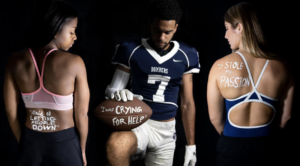
(Adams 2019)
Conclusion
Injuries are tough for any athlete, but this research shows just how much they affect female athletes not just physically, but mentally and emotionally, too. From longer recovery times and heightened anxiety levels to struggles with body image and confidence, the journey back from injury can feel very overwhelming and isolating. Throughout our research, we learned the importance of supporting female athletes with both physical rehab and psychological care, whether that’s through mental skills training, social support systems, or just recognizing how much identity is tied to sport. If we want to help female athletes recover fully and return stronger, we need to take the whole person into account, not just the injury. Being aware of these impacts is the first step to changing how we approach injury recovery in women’s sports for the better.
References
Action Sport Physio. (n.d.). Sports injury rehabilitation [Photograph]. Action Sport Physio. https://actionsportphysio.com/sports-injuries-rehabilitation-101
Adams, E. (2019, September 19). Healing Mind and Body: Injured athletes struggle with mental health. The Ithacan. https://theithacan.org/34993/sports/fronts/healing-mind-and-body-injured-athletes-struggle-with-mental-health/
Ardern, C. L., Hooper, N., O’Halloran, P., Webster, K. E., & Kvist, J. (2022). A Psychological Support Intervention to Help Injured Athletes “Get Back in the Game”: Design and Development Study. JMIR Formative Research, 6(8), e28851. 10.2196/28851
Athletes Connected. (2016, April 25). How injury affects mental health | Athletes Connected [Video]. YouTube. https://www.youtube.com/watch?v=C2YtzJA6NoE
Bestwick-Stevenson, T., Whitehead, A., Nimphius, S., et al. (2022). Assessment of fatigue and recovery in sport: Narrative review. International Journal of Sports Medicine. Retrieved from https://www.thieme-connect.de/products/ejournals/html/10.1055/a-1834-7177
Bilgoe, S. C., Janse van Rensburg, D. C. (Christa), Goedhart, E., Orhant, E., Kerkhoffs, G., & Gouttebarge, V. (2024). Unmasking mental health symptoms in female professional football players: a 12-month follow-up study. BMJ Open Sport & Exercise Medicine, 10(2), e001922–e001922. https://doi.org/10.1136/bmjsem-2024-001922
Christian, R. (2016). Assessment of fatigue and recovery in male and female athletes after 6 days of intensified strength training [Master’s thesis, Bridgewater State University]. Bridgewater State University Virtual Commons.
Cleveland Clinic. (n.d.). How to mentally come back from a sports injury [Photograph]. Cleveland Clinic Health Essentials. https://health.clevelandclinic.org/how-to-mentally-come-back-from-a-sports-injury
Comstock, R. Dawn, and Sarah K. Fields. “The Eternally Wounded Athlete: How Medical Professionals and Sports Injury Researchers Have Limited Female Athletes’ Sport Participation and Biased the Interpretation of Sports Injury Research.” Current Epidemiology Reports, vol. 7, no. 4, 2020, pp. 327–33, https://doi.org/10.1007/s40471-020-00255-0.
Evolve Health and Performance. (2021, September 29). How to address fear of reinjury when returning to sport or activity [Video]. YouTube. https://www.youtube.com/watch?v=51LeJFwfTFE
Fits Is A Feminist Issue. The Shape of an Athlete. https://fitisafeministissue.com/2013/12/03/the-shape-of-an-athlete/
Gianakos, A. L., Abdelmoneim, A., Kerkhoffs, G., & Mulcahey, M. K. (2022). Rehabilitation and return to sport of female athletes. Arthroscopy, Sports Medicine, and Rehabilitation, 4(1), e247–e253. https://doi.org/10.1016/j.asmr.2021.09.040
Inc., S. F. (2018, September 18). The one most overlooked injury risk factor in female soccer – and what coaches can do about it: Soccer fitness. Soccer Fitness | Soccer Fitness Training. https://www.soccerfitness.ca/2018/09/the-one-most-overlooked-injury-risk-factor-in-female-soccer-and-what-coaches-can-do-about-it/
Kantanista, Adam et al. “Body Image of Highly Trained Female Athletes Engaged in Different Types of Sport.” BioMed Research International vol. 2018 6835751. 31 Jan. 2018, doi:10.1155/2018/6835751.
Madsen, A., Sharififar, S., Oberhaus, J., Vincent, K. R., & Vincent, H. K. (2022). Anxiety state impact on recovery of runners with lower extremity injuries. PloS One, 17(12), e0278444. 10.1371/journal.pone.0278444
Medicine, M. (2018). How Injury Affects Mental Health | Athletes Connected [YouTube Video]. In YouTube. https://www.youtube.com/watch?v=C2YtzJA6NoE
Nemeth, Mary Claire, et al. “Collegiate Female Athletes’ Body Image and Clothing Behaviors.” Fashion and Textiles, vol. 7, no. 1, 2020, pp. 1–17, https://doi.org/10.1186/s40691-020-0207-z.
Piussi, R., Krupic, F., Sundemo, D., Svantesson, E., Ivarsson, A., Johnson, U., Samuelsson, K., & Hamrin Senorski, E. (2022). ‘I was young, I wanted to return to sport, and re-ruptured my ACL’ – young active female patients’ voices on the experience of sustaining an ACL re-rupture, a qualitative study. BMC Musculoskeletal Disorders, 23(1), 1–760.
Schwab Reese, L. M., Pittsinger, R., & Yang, J. (2012). Effectiveness of psychological intervention following sport injury. Journal of Sport and Health Science, 1(2), 71–79. 10.1016/j.jshs.2012.06.003
Sullivan, L., Ding, K., Tattersall, H., Brown, S., & Yang, J. (2022). Social Support and Post-Injury Depressive and Anxiety Symptoms among College-Student Athletes. International Journal of Environmental Research and Public Health, 19(11), 6458. 10.3390/ijerph19116458
van Niekerk, M., Matzkin, E., & Christino, M. A. (2023). Psychological Aspects of Return to Sport for the Female Athlete. Arthroscopy, Sports Medicine, and Rehabilitation, 5(4), 100738–100738. https://doi.org/10.1016/j.asmr.2023.04.021